Turkey Liver for Dogs (Complete Guide)
Turkey liver for dogs is one of those ingredients that looks simple but is actually extremely powerful in canine nutrition. It is packed with vitamins, minerals, and protein that can support energy levels, immune strength, and overall health. At the same time, it is also very concentrated, which means it must be used carefully and in small amounts.
In a natural setting, dogs would consume organ meats like liver as part of whole prey. This makes turkey liver biologically appropriate for dogs, but only when it is balanced correctly with other food components.
What Makes Turkey Liver So Nutrient-Dense?
Turkey liver for dogs is not like regular meat. It is an organ that stores a large amount of nutrients, which makes it extremely rich but also easy to overfeed.
It contains high levels of vitamin A, several B vitamins, iron, copper, zinc, selenium, and high-quality protein. These nutrients support multiple body systems at once, from energy production to immune defense.
Because of this density, even a small piece of liver can have a strong nutritional impact on your dog’s diet. This is also why moderation is so important.
Health Benefits of Turkey Liver for Dogs
One of the biggest advantages of turkey liver is the boost it can give to your dog’s energy levels. The B vitamins, especially B12, play a key role in converting food into usable energy. Dogs that are active, playful, or working often show improved stamina when small amounts of liver are added to their meals.
Beyond energy, turkey liver is also known for supporting the immune system. Vitamin A helps maintain healthy skin and mucous barriers, which act as the first line of defense against infections. Along with zinc and iron, these nutrients help the body respond better to illness and recover faster.
It also plays a noticeable role in skin and coat health. Many dog owners report shinier coats and healthier skin after adding small amounts of liver to the diet. This is due to improved circulation, vitamin support, and better nutrient absorption overall.
Another important benefit is brain and nervous system support. Nutrients like choline and B vitamins help maintain healthy brain function, which is useful for puppies during development and senior dogs experiencing age-related decline.
See also: How Reverse Mortgage Services Can Turn Your Home Equity Into
Why Moderation Is Extremely Important
Even though turkey liver is very healthy, it is not something that should be fed in large amounts. The biggest concern is vitamin A toxicity, which can develop slowly over time if liver is overused.
When a dog gets too much vitamin A, it can start affecting bones and joints, leading to stiffness, weakness, or long-term skeletal issues. This is why liver should always be treated as a supplement rather than a main food source.
Digestive upset is another common issue, especially when liver is introduced too quickly. Some dogs may experience loose stools or vomiting if their system is not used to rich organ meats.
How Much Turkey Liver Is Safe for Dogs?
There is a general rule in canine nutrition that organ meats should not exceed about 5% of the overall diet. This helps maintain a proper balance of nutrients without overload.
In practical terms, small dogs only need a few grams a couple of times per week, while medium and large dogs can handle slightly more. Even for big breeds, it is still a small portion compared to their regular food intake.
A simple way to think about it is that liver should never feel like a meal—it should feel like a nutrient boost added on top of a balanced diet.
Raw vs Cooked Turkey Liver
Some dog owners prefer feeding raw turkey liver because it keeps all the natural enzymes intact. Raw feeding is often part of a more natural diet approach, but it comes with risks such as bacterial contamination if the source is not safe.
Cooked liver, on the other hand, is much safer for most households. Light cooking methods like boiling or steaming help eliminate harmful bacteria without adding unnecessary oils or spices. The key is to keep it plain, because ingredients like salt, onion, or garlic can be toxic to dogs.
Both raw and cooked options can work, but the choice depends on your comfort level and the quality of the source.
Best Ways to Feed Turkey Liver to Dogs
Turkey liver is very versatile and can be added to your dog’s diet in different ways. One of the most common methods is using it as a high-value training treat. When cut into small pieces, dogs usually find it extremely motivating, which makes training sessions more effective.
It can also be mixed into regular meals to improve taste and nutrition. Some owners mash or finely chop it and blend it with kibble or wet food so it spreads evenly throughout the meal.
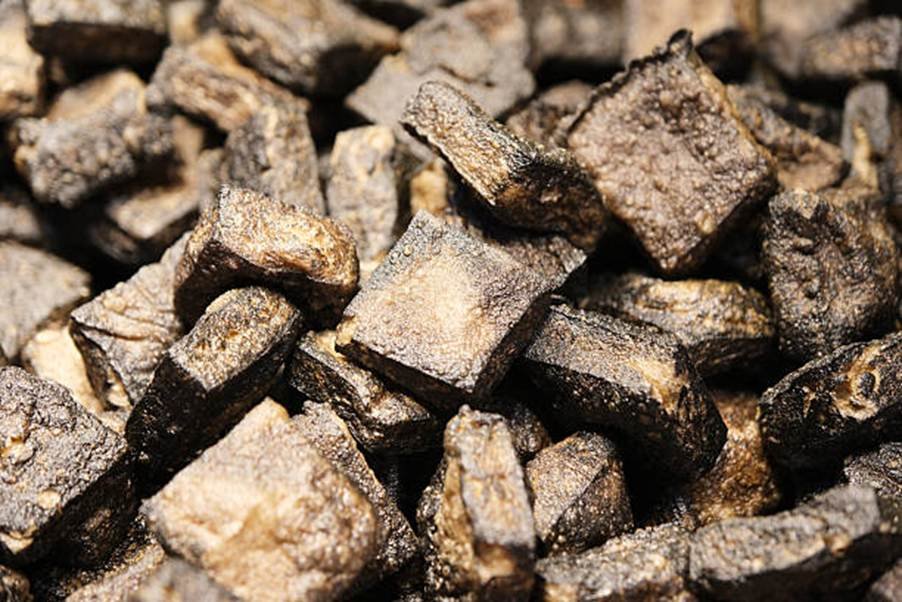
Freeze-dried turkey liver is another popular option because it is convenient, long-lasting, and retains most of the nutrients. For those who like homemade treats, lightly baked liver slices can also be a healthy snack alternative without additives.
Signs You May Be Feeding Too Much Liver
Because turkey liver is so rich, dogs usually show signs when they are getting too much. These may include loose stools, reduced appetite, vomiting, or general discomfort.
Over time, if vitamin A intake is consistently too high, you might even notice joint stiffness or reduced mobility. These changes usually develop slowly, which is why regular moderation is so important rather than occasional restriction.
If any of these symptoms appear, reducing liver intake and consulting a veterinarian is the safest step.
Turkey Liver Compared to Other Organ Meats
Turkey liver is often compared with chicken and beef liver. While all of them offer similar nutritional benefits, there are slight differences. Turkey liver is generally milder in taste and a bit leaner, which makes it easier for sensitive dogs. Chicken liver is the most commonly used, while beef liver tends to have a stronger flavor and slightly richer mineral content.
Many nutrition plans rotate different organ meats rather than relying on just one type. This helps provide a broader nutrient profile and reduces the risk of overexposure to a single nutrient.
Final Thoughts
Turkey liver for dogs can be a highly beneficial addition to a balanced diet when used correctly. It supports energy, immunity, skin health, brain function, and overall vitality. However, its strength is also its biggest risk, because too much can lead to vitamin imbalances.
The key is simple: small amounts, balanced diet, and consistent moderation. When used properly, turkey liver is not just a treat—it becomes a powerful natural nutrition boost for your dog’s long-term health and well-being.