Separation anxiety can affect people of all ages and may interfere with school, work, relationships, and emotional well-being. While many people experience temporary distress when separated from loved ones, persistent fear and panic may indicate a more serious anxiety disorder.
Fortunately, separation anxiety treatment options have improved significantly over the years. Modern therapy techniques help individuals manage symptoms, improve coping skills, and regain emotional independence.
Recognizing Symptoms of Separation Anxiety
Symptoms may vary depending on age and severity. Common signs include:
- Extreme distress during separation
- Fear of losing loved ones
- Difficulty sleeping alone
- Refusal to attend school or work
- Physical complaints such as headaches or stomach pain
- Frequent panic attacks
- Excessive reassurance-seeking
Adults may also avoid travel, social events, or work responsibilities because of separation fears.
See also: Bamboo Family Clinic Henderson Nv: Common Questions, Risks, and Better Comparison Criteria
Why Professional Treatment Matters
Without treatment, separation anxiety can worsen and contribute to other mental health conditions such as depression or generalized anxiety disorder. Professional treatment provides structured guidance and evidence-based techniques that help individuals recover more effectively.
Mental health professionals create personalized treatment plans based on each person’s symptoms, age, history, and emotional needs.
Cognitive Behavioral Therapy
Cognitive Behavioral Therapy is considered one of the most effective separation anxiety treatment methods. CBT focuses on changing unhealthy thought patterns that fuel fear and emotional distress.
Therapists help clients identify irrational beliefs and replace them with balanced thinking. This process reduces panic and improves emotional control.
Behavioral Interventions
Behavioral techniques encourage gradual exposure to separation situations. By practicing short and manageable separations, individuals slowly become more comfortable being independent.
Examples may include:
- Staying home alone briefly
- Reducing frequent phone calls
- Spending time independently with friends
- Participating in activities without caregivers
Gradual exposure helps retrain the brain to reduce fear responses.
Family-Based Treatment
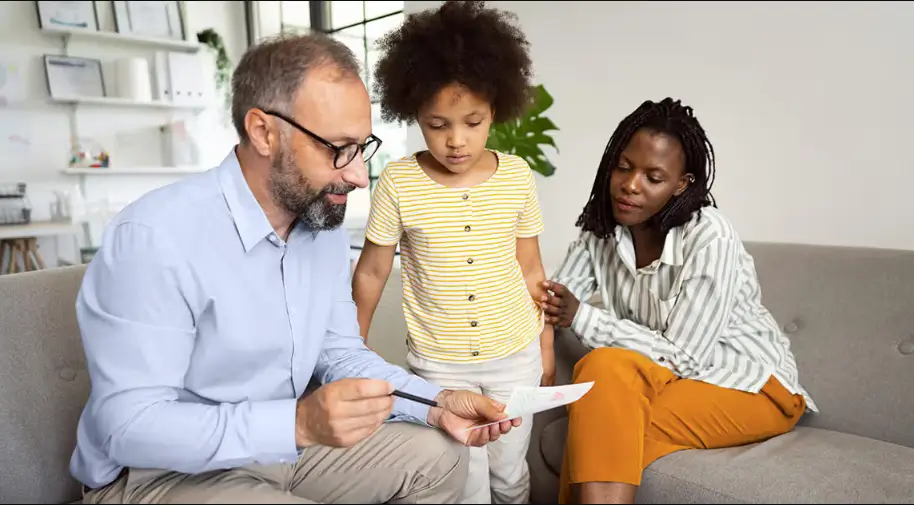
Family involvement is especially important when treating children with separation anxiety. Parents and caregivers learn strategies that encourage independence while maintaining emotional support.
Therapists may teach families how to:
- Avoid reinforcing anxious behaviors
- Maintain consistent routines
- Encourage confidence-building activities
- Respond calmly during emotional episodes
Healthy family communication can significantly improve treatment success.
School Support for Children
Children with separation anxiety may struggle academically because of school avoidance or emotional distress. Teachers, counselors, and school staff can help create supportive environments.
Accommodations may include:
- Gradual classroom transitions
- Scheduled check-ins
- Calm-down spaces
- Communication between parents and teachers
Early intervention in schools often prevents symptoms from worsening.
Medication Options
Medication may be recommended for moderate or severe anxiety symptoms. Selective serotonin reuptake inhibitors (SSRIs) are commonly prescribed to reduce anxiety and stabilize mood. Visit ReachLink for online medication.
Medication should always be monitored by a qualified healthcare provider and is usually combined with therapy for the best results.
Lifestyle Changes That Support Recovery
Healthy daily habits can complement professional treatment. Helpful lifestyle strategies include:
- Regular exercise
- Balanced nutrition
- Consistent sleep schedules
- Stress reduction