Digital payments have become an increasingly familiar part of shopping and daily financial activity. Instead of relying only on cash or physical cards, consumers can use mobile applications to make payments, manage transactions and access selected financial services.
An electronic wallet, commonly called an e-wallet, is one way to carry out these activities. Understanding how it works, what features it offers and what precautions to take can help consumers use digital payment services more confidently.
What Is an Electronic Wallet?
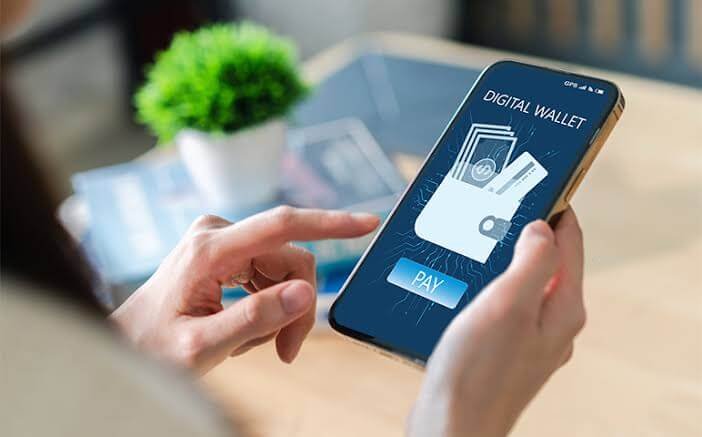
An electronic wallet is a digital service that allows users to make or manage payments through an application or supported device. Depending on the provider, it may connect to a bank account, payment card or stored balance.
Some wallets support payments at physical shops, while others are used for online purchases, transfers or bill payments. Available services vary according to the provider, location and account requirements.
An e-wallet is not automatically the same as a bank account. Users should understand where funds are held, how transactions are processed and which protections apply.
How Digital Wallet Payments Work
A digital wallet may allow a consumer to pay by scanning a QR code, selecting a payment option at checkout or using another supported method.
The process generally involves confirming the payment details and authorising the transaction. Depending on the service, authentication may use a password, device security feature or another verification method.
Before confirming a payment, check the merchant name and amount. A moment spent reviewing the details can help reduce mistakes.
Benefits for Everyday Shopping
Digital wallets can make certain transactions more convenient. Consumers may be able to complete payments without handling cash or entering card information repeatedly.
Other potential advantages include:
- Access to transaction records.
- Faster checkout at supported merchants.
- Integration with selected online services.
- Digital payment notifications.
- Convenient management of supported payment methods.
The available features depend on the service. A wallet may not support every merchant, bank or transaction type.
Choosing an E-Wallet
When comparing an e wallet consider the provider’s reputation, supported payment methods and account conditions.
Review the following details before registering:
- Which merchants and services accept it.
- Whether a bank account or card is required.
- Any transaction limits or charges.
- How refunds and disputed transactions are handled.
- What identity verification is required.
- How customer support can be contacted.
It is also worth reading the terms and privacy policy to understand how personal and transaction information is handled.
Protecting Your Account
Digital payment accounts should be treated with the same care as other financial services. Use a strong, unique password and enable additional security features when available.
Never share one-time verification codes, passwords or account credentials with another person. Be cautious of messages that claim to offer refunds, prizes or urgent account assistance and ask you to follow an unfamiliar link.
Download payment applications through official sources and keep the software updated. If a device is lost or an account appears compromised, contact the provider promptly using its official support channel.
Understanding Fees and Transaction Records
Some digital wallet services may charge fees for particular transactions, currency conversions or account activities. Others may offer selected services without a direct fee. The exact terms depend on the provider and transaction type.
Review the fee schedule before using unfamiliar features. Keep transaction notifications and receipts, particularly for higher-value purchases.
If a payment fails or appears more than once, check the transaction history and follow the provider’s official dispute process rather than immediately repeating the payment.
Using Digital Payments Responsibly
Convenience should not replace careful spending habits. Digital payments can make checkout quick, but consumers should still review purchase amounts and keep track of their budgets.
Regularly checking transaction records can help identify unfamiliar activity and understand spending patterns. Use only services that meet your needs and provide clear information about their terms.
Frequently Asked Questions
1. Is an e-wallet the same as a bank account?
Not necessarily. An e-wallet is a payment service, while a bank account is a financial account provided by a bank. The way funds are held and protected depends on the service.
2. Are digital wallet payments secure?
Security depends on the provider, account settings and user behaviour. Strong authentication, updated software and careful handling of verification codes can help reduce risks.
3. What should I do if I notice an unfamiliar transaction?
Contact the provider through its official support channel as soon as possible. Follow its instructions for reporting the transaction and securing your account.
Conclusion
Digital wallets can make everyday payments more convenient, but consumers should understand how each service operates before using it. Reviewing fees, supported merchants, account conditions and security features helps support informed decisions. Careful account management and regular transaction checks are essential parts of responsible digital payment use.