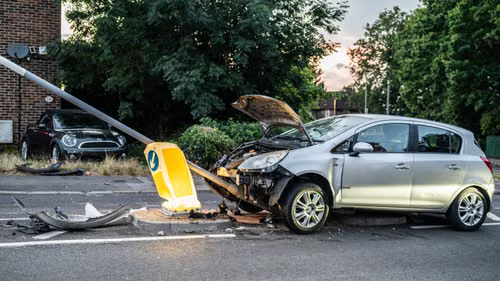
The first hour after a crash decides a lot of the course to be followed. Not just how your car gets fixed, but how much you pay, how your claim goes, and whether some quiet damage gets missed. Most drivers freeze up here, and honestly, who wouldn’t. Your heart is pounding, your bumper is on the ground, and part of your brain has already jumped ahead to what an auto body shop is going to charge you. Slow down. What you do in these sixty minutes matters more than the call you make afterward.
Here is the part nobody tells you. A good auto body shop can only work with the evidence you bring them. Miss a step now, and you might be arguing with an insurance adjuster three weeks later with nothing to back you up. So before you dial anyone, work through this.
Check Yourself and Your Passengers First
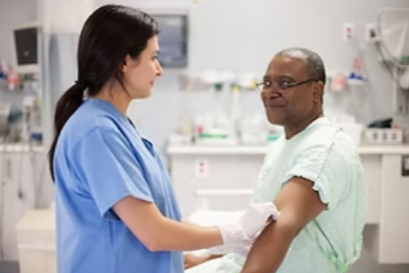
Cars get repaired. People are trickier. Before you worry about the paint or the crumpled quarter panel, take a breath and check your own body. Adrenaline strangely hides pain. You might feel fine and then wake up the next morning barely able to turn your neck.
Ask everyone in the car the same thing. Any dizziness, any sharp pain, anything that feels off? If the answer is yes, or you are not sure, call 911. A dented door is a small problem next to a concussion nobody caught.
See also: Looking for HGH Therapy Near Me? Why Testing and Medical Supervision Matter
Move to Safety Without Making Things Worse
If the cars still run and the crash was minor, pull them out of the lane of traffic. A second collision on a busy stretch of Highway 50 turns a fender bender into something far uglier. Flip on your hazards. Set out flares or triangles if you keep them.
But here is a small catch. If anyone seems hurt, or the damage looks severe, leave the vehicles where they are. Police often want to see the scene as it happened. Perhaps snap a couple of photos before moving anything, just in case you have to explain the positions later.
Document Everything While It Is Fresh
This is the step people skip, and later they regret it. Your phone is the most useful tool you own right now. Use it.
Photograph these things before anyone drives off:
- Wide shots showing both cars and how they sit
- Close-ups of every dent, scratch, and broken part
- The other car’s license plate
- Both license plates in one frame if you can manage it
- The street, any signs, and the traffic signals nearby.
- Skid marks or debris on the road
Take more photos than you feel necessary. You cannot go back and get them tomorrow. An auto body shop and your insurer both lean on this record, and the more angles you have, the harder it is for you to dispute.
Swap Information the Right Way
Get the other driver’s name, phone number, insurance company, and policy number. Snap a picture of their insurance card and driver’s license rather than scribbling it down. People misread their own handwriting under stress, and a photo does not lie.
Stay calm during this part. Do not admit fault, and do not accept blame either, even if you think the wreck was partly your doing. Fault gets decided by adjusters and evidence, not by a rattled apology at the roadside. A simple sentence said in the moment can follow you through the whole claim.
Call the Police and Get a Report
Plenty of drivers think a small crash does not need police. That is a mistake. A police report gives your claim an official spine. Insurers trust a neutral third party far more than two drivers telling different stories.
Wait for the officer. Get the report number before you leave. If police cannot come out for a minor collision, ask how to file a report yourself. This one document can be the difference between a smooth claim and a drawn-out fight.
Now You Are Ready to Think About Repairs
Once you are safe, documented, and the report is handled, then you turn to the repair side. And this is where a shop like Relux Collision comes in. With over 30 years of experience in Sacramento, the team handles the insurance paperwork, arranges towing to the shop, and can coordinate a rental through your insurer so you are not stranded. Deductible assistance of up to $1,000 is available too, which softens the upfront hit while your claim moves along.
Hidden damage is the real reason to choose carefully. A car can look drivable and still carry bent structural parts or knocked-out safety sensors. A shop that scans and inspects properly catches what your eyes miss. That first hour of careful documentation feeds directly into a repair done right.
So keep this order in your head. Safety, then evidence, then information, then the report. The phone call to fix your car comes after. Handle those sixty minutes well, and everything downstream gets easier.