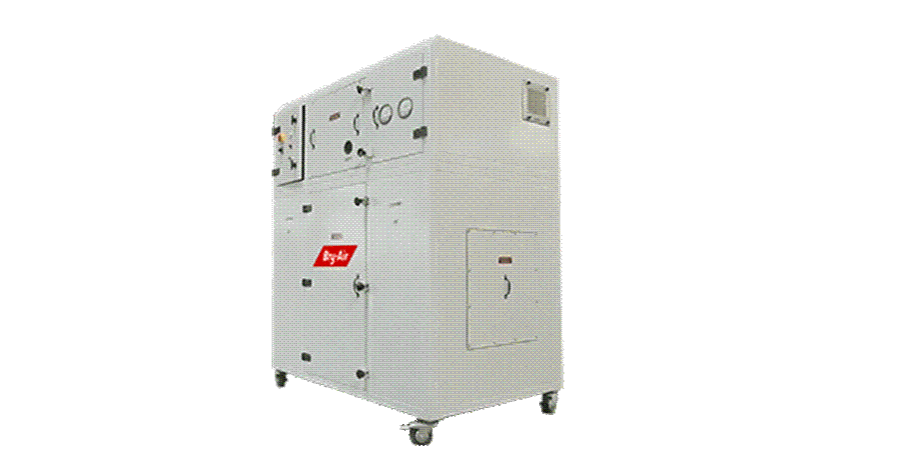
Efficient seed drying is one of the most important processes in modern agricultural production and storage management. Seeds with improper moisture levels can lose quality, become vulnerable to fungal growth, and experience reduced storage life. As agricultural industries continue adopting advanced processing technologies, controlled drying systems have become essential for maintaining product quality and improving operational efficiency.
Modern seed drying tray systems help agricultural businesses manage moisture levels more effectively while supporting consistent drying performance. These systems are widely used in seed processing facilities, agricultural storage operations, and food production industries where precise moisture control is critical.
Importance of Proper Seed Drying
Seeds naturally contain moisture after harvesting, and excess moisture can create multiple storage and quality issues if not managed correctly.
Risks of High Moisture Content
Improperly dried seeds may face:
- Mold development
- Reduced germination quality
- Storage deterioration
- Product spoilage
- Reduced shelf life
Controlled drying helps preserve seed quality during transportation and long term storage.
Why Moisture Control Matters
Agricultural products require stable moisture levels to maintain:
- Product integrity
- Nutritional value
- Storage safety
- Processing consistency
Effective drying systems help create safer and more reliable storage conditions.
See also: The Future of Hybrid Work Technology
What Is a Seed Drying Tray System?
A seed drying tray system is a specialized drying solution designed to remove excess moisture from seeds and agricultural products using controlled airflow and heat distribution.
The process typically involves:
- Placing seeds evenly on trays
- Circulating heated air
- Gradually removing moisture
- Maintaining controlled drying conditions
Tray based drying systems help ensure uniform moisture removal across all product layers.
Components of a Seed Drying System
A standard drying setup may include:
- Drying trays
- Heating system
- Air circulation unit
- Temperature controls
- Moisture management system
These components work together to support consistent drying performance.
Benefits of Seed Drying Tray Systems
Modern seed drying technologies provide several important advantages for agricultural operations.
Uniform Drying Performance
One major advantage of tray drying systems is their ability to distribute airflow evenly.
Benefits may include:
- Consistent moisture removal
- Reduced product variation
- Better seed quality
- Improved storage stability
Uniform drying helps maintain product consistency across batches.
Better Product Preservation
Controlled drying helps protect sensitive agricultural products from damage caused by excessive heat or uneven airflow.
Proper drying supports:
- Improved germination quality
- Reduced spoilage risks
- Better product handling
- Longer storage life
Careful moisture management improves long term product reliability.
Flexible Agricultural Applications
Seed drying systems can support multiple agricultural materials.
Businesses may process:
- Grain seeds
- Vegetable seeds
- Herbs
- Spices
- Food ingredients
This flexibility makes tray drying systems useful across various agricultural industries.
Role of Tray Dryers in Agricultural Processing
Tray dryers are widely used in modern agricultural processing facilities because of their reliable drying capabilities.
Controlled Drying Environment
Modern tray dryers help maintain:
- Stable temperature conditions
- Controlled airflow
- Efficient moisture removal
Controlled environments improve overall drying performance and product safety.
Batch Drying Efficiency
Tray dryers support batch processing for agricultural materials.
Benefits may include:
- Better process management
- Flexible production scheduling
- Improved quality control
Batch drying systems allow operators to maintain close control over drying conditions.
Applications of Seed Drying Systems
Seed drying technologies are used in many agricultural and food related industries.
Agricultural Storage Facilities
Storage facilities use drying systems to:
- Reduce moisture before storage
- Prevent fungal growth
- Improve storage safety
Proper moisture management supports long term product preservation.
Food Processing Industries
Food manufacturers use seed drying systems for:
- Ingredient preparation
- Product stabilization
- Moisture reduction
Controlled drying helps improve food quality and shelf stability.
Research and Seed Development
Agricultural research facilities may use drying systems for:
- Seed testing
- Product development
- Controlled storage experiments
Accurate moisture management supports research reliability.
Factors to Consider When Choosing Seed Drying Equipment
Selecting the right drying system depends on operational requirements and product characteristics.
Drying Capacity
Businesses should evaluate:
- Production volume
- Batch size
- Material quantity
- Future scalability
Proper sizing improves production efficiency and operational flexibility.
Airflow Management
Efficient airflow is essential for:
- Uniform drying
- Reduced drying time
- Improved moisture control
Well designed airflow systems improve drying consistency.
Temperature Control Systems
Different agricultural products require different drying temperatures.
Advanced systems may offer:
- Adjustable controls
- Automated temperature monitoring
- Moisture management settings
Accurate controls help protect sensitive materials.
Importance of Efficient Moisture Removal
Moisture management directly impacts product quality and storage performance.
Effects of Poor Drying Practices
Improper drying may result in:
- Product degradation
- Increased waste
- Reduced storage life
- Lower product value
Reliable drying systems help reduce these operational challenges.
Benefits of Controlled Drying
Businesses using advanced seed drying technologies may experience:
- Better quality control
- Improved product consistency
- Enhanced operational efficiency
- Reduced spoilage risks
Controlled drying supports long term agricultural productivity.
Common Mistakes Businesses Should Avoid
Poor drying practices can negatively impact product quality and storage performance.
Overloading Drying Trays
Excessive loading may:
- Restrict airflow
- Create uneven drying
- Increase moisture retention
Proper tray spacing improves drying efficiency.
Ignoring Equipment Maintenance
Regular maintenance helps ensure:
- Consistent airflow
- Reliable heating performance
- Operational stability
Routine inspections improve system longevity.
Using Incorrect Drying Conditions
Improper temperature or airflow settings may damage sensitive seeds.
Businesses should optimize conditions based on:
- Seed type
- Moisture content
- Processing requirements
Correct settings improve drying accuracy and product safety.
Why Seed Drying Technologies Continue Growing
Agricultural industries continue prioritizing advanced moisture control systems to improve production quality and storage reliability.
Seed drying technologies continue growing because they support:
- Better moisture management
- Improved product preservation
- Consistent drying performance
- Reduced storage risks
- Higher operational efficiency
Organizations searching for reliable seed drying tray systems increasingly invest in modern drying technologies to support long term agricultural operations.
Conclusion
Seed drying tray systems provide agricultural industries with an effective and reliable solution for moisture control and product preservation. Proper drying helps protect seeds from spoilage, improve storage safety, and maintain product quality throughout processing and transportation.
Modern tray dryers, controlled airflow systems, and advanced moisture management technologies all contribute to improved agricultural drying performance. By investing in reliable seed drying solutions, businesses can enhance operational efficiency, reduce product loss, and support long term agricultural productivity.