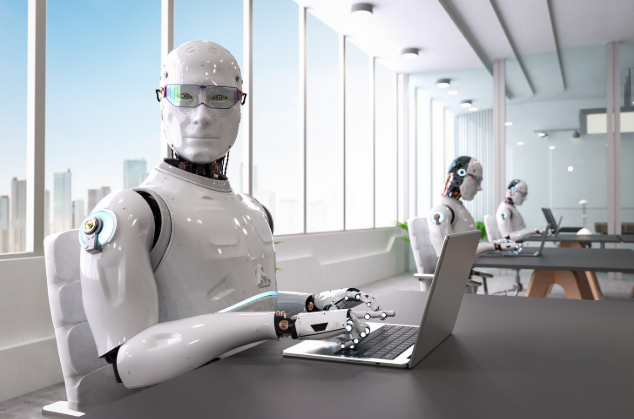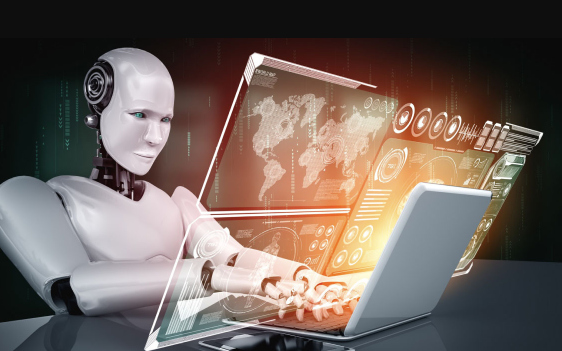
The future of human-machine interaction is marked by significant advancements in AI and emotional intelligence. These developments promise to create more intuitive and responsive systems, enhancing user autonomy. As communication shifts towards voice interfaces and augmented reality, the implications for privacy and ethics become increasingly important. This raises essential questions about trust and user engagement. What innovative trends will emerge next, and how will they reshape our interactions with technology?
How AI Is Transforming Human-Machine Interaction
As technology continues to evolve, AI’s integration into human-machine interaction is redefining the ways individuals engage with devices and systems.
Voice recognition technology enhances accessibility, allowing users to command devices effortlessly. Intuitive interfaces further streamline these interactions, fostering a seamless experience.
This transformation empowers individuals to interact freely and efficiently, liberating them from traditional constraints and encouraging innovation in personal and professional realms.
The Role of Emotional Intelligence in Future Interactions
Emotional intelligence stands as a pivotal element in shaping future human-machine interactions.
By integrating emotional responsiveness into empathetic algorithms, machines can better understand and adapt to human feelings, fostering more meaningful connections.
This innovative approach empowers users, enhancing their autonomy while ensuring interactions remain intuitive and supportive.
As emotional intelligence evolves, it will redefine the landscape of technology, promoting a more harmonious coexistence.
See also: covermove
Privacy and Ethical Considerations in Automated Systems
Privacy and ethical considerations emerge as critical factors in the development and deployment of automated systems.
Ensuring data security is paramount, as individuals’ personal information becomes increasingly vulnerable.
Moreover, user consent must be prioritized, granting individuals control over their data.
As automated systems evolve, addressing these concerns will foster trust and empower users, ultimately enhancing the interaction between humans and machines.
What Does the Future Hold: Trends and Innovations to Watch?
The future of human-machine interaction is poised for significant transformation, driven by emerging trends and innovations that prioritize user experience and operational efficiency.
Key developments include augmented reality, enhancing immersive experiences, and voice interfaces, which facilitate seamless communication.
These advancements promise to empower users, fostering a more intuitive, responsive environment that ultimately champions individual freedom and creativity in navigating technology.
Conclusion
As human-machine interaction evolves, the integration of AI and emotional intelligence is set to redefine user experiences significantly. Notably, a study found that 85% of users prefer engaging with systems that demonstrate emotional understanding, underscoring the importance of empathetic design. This shift not only enhances communication but also prioritizes user autonomy and trust, paving the way for innovative applications in various fields. The future promises immersive environments that foster deeper connections between individuals and technology, revolutionizing everyday interactions.